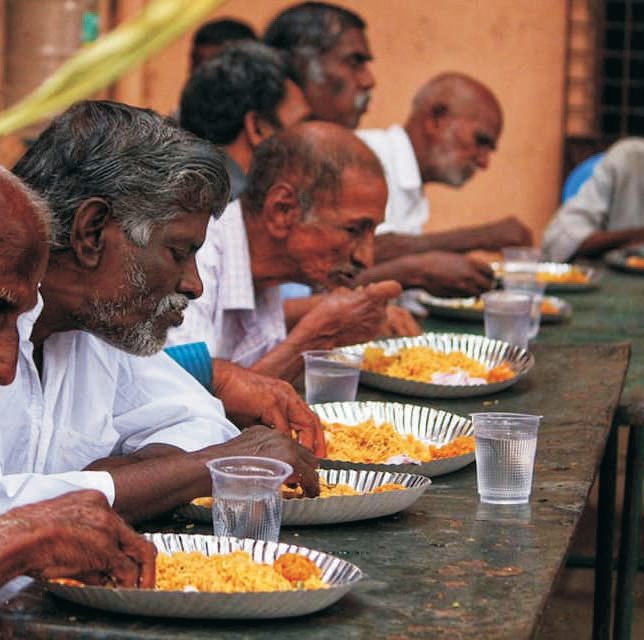
Difficulties We Face
We would rather be honest than impressive. This is what stands between a phone call and a rescued life — and where your help matters most.
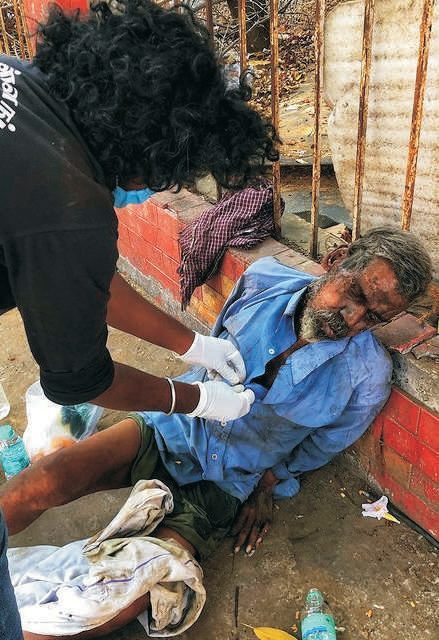
A rescue looks like a single moment — a van, a stretcher, a person lifted off the road. In truth it is weeks of work: admission, treatment, counselling, identity documents, tracing a family, and often permanent care when no family comes forward.
With 80 to 100 rescues every month, those weeks overlap. The pressure shows up as fuel bills, hospital queues, medicine costs and beds that are already full.
We keep going because the alternative is leaving someone on the pavement. But we are open about the strain, because the people who close these gaps are almost always ordinary donors and volunteers.
Where the Strain Shows
Funding That Never Keeps Up
Rescue is a recurring cost — fuel, medicines, food, caretakers, rent. Most of it is met by small individual donations that arrive after the expense.
Vehicles and Fuel
Our ambulances run every day across districts. Fuel, tyres, servicing and breakdowns are the single most unpredictable part of our budget.
Hospital Admissions
Getting a person with no identity proof, no family and no address admitted and treated often takes hours of persuasion and follow-up.
Mental Health Care
Many we rescue are mentally unwell. Long-term psychiatric care, medication and trained counselling are scarce and expensive.
Shelter Capacity
Every bed at the free old age home is taken. When the rescue van finds someone new, space has to be created, not simply found.
Family Refusals & Reunions
Tracing a family can take months, and some refuse to take their elder back. Then lifelong care becomes our responsibility.
What We Need Most
- Monthly givers — even ₹500 a month makes fuel and medicines predictable.
- A sponsored ambulance or van, or a year of its running costs.
- Doctors, psychiatrists and counsellors who can give a few hours a month.
- Space or funding towards a larger shelter for rescued elders.
- Grocery, blanket and hygiene kits, especially before the monsoon and winter.
- Corporate CSR partners for long-term, planned support.